
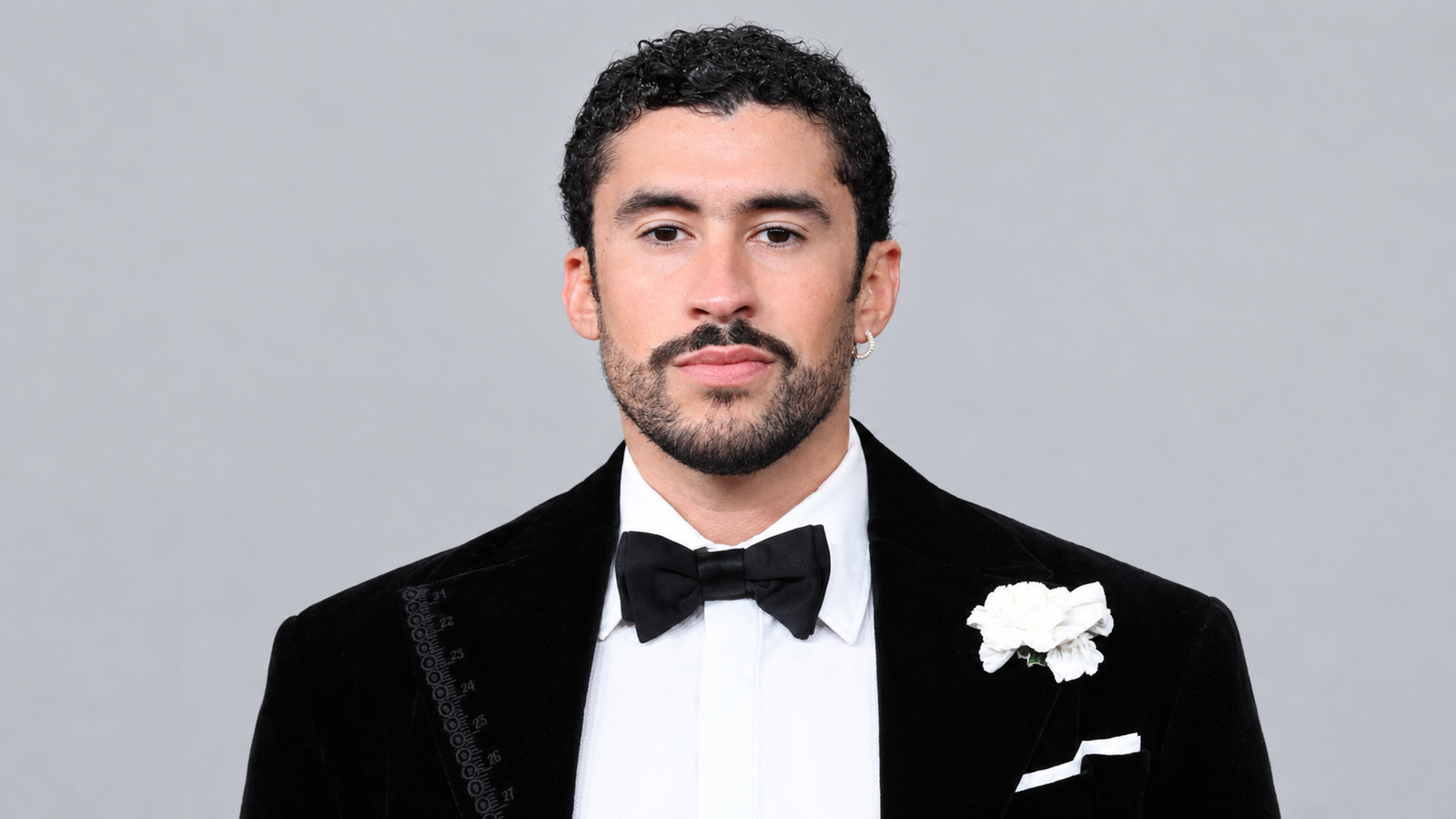
A decade ago, Benito Antonio Martínez Ocasio bagged groceries at an Econo supermarket in Vega Baja, Puerto Rico, uploading self-produced tracks to SoundCloud late into the night. Today, the artist known globally as Bad Bunny commands stadium stages across continents, controls a sprawling portfolio of sports teams and high-end hospitality, and reshapes the global music economy entirely on his own terms.
Tracking celebrity wealth reveals that the artist’s financial trajectory defies conventional entertainment playbooks. Recent financial evaluations place the estimated bad bunny net worth 2026 at approximately $100 million to $120 million, with his enterprise valuation accelerating much faster due to unprecedented gross touring benchmarks and equity-driven business deals. By refusing to dilute his cultural identity or record crossover pop records in English, the Puerto Rican superstar turned authentic Latin trap and reggaeton into a multi-million-dollar global business conglomerate.
The Financial Rise of Benito: From Grocery Aisles to Stadium Icon
The ascent of Bad Bunny represents one of the most explosive revenue climbs in modern entertainment history. Between 2016 and 2018, early hits like “Soy Peor” and collaborative breakthroughs established his creative voice, but independent distribution limited his initial capital accumulation. His breakthrough coincided with a massive tectonic shift in the streaming era, where global consumption patterns democratized chart dominance. By controlling songwriting credits across his catalog early on, he protected his master royalties and retained maximum leverage over his business operations.
When global touring resumed in full force, Benito monetized his streaming dominance into tangible box office power. His 2022 calendar year generated historic revenue, pulling in more than $88 million in individual annual earnings according to Forbes industry estimates. His subsequent international stadium engagements built a financial fortress, proving that non-English repertoire could consistently out-gross traditional Western pop touring acts. This disciplined monetization pipeline turned raw streaming metrics into durable, diversified financial equity.
Historic Touring Milestones and the Billion-Dollar Box Office Benchmark
Live performance forms the primary engine driving Benito’s wealth creation. Industry box-office figures confirmed a historic milestone when Bad Bunny became the first Latin artist in history to surpass $1 billion in career gross touring revenue. He joined an elite group of fewer than 25 acts worldwide to achieve this distinction, becoming the first artist to hit the billion-dollar touring milestone without performing in English.
His blockbuster touring runs, including the World’s Hottest Tour, the Most Wanted Tour, and the massive international legs of his subsequent stadium campaigns, demonstrated extraordinary ticket pricing power. Industry data indicates that his team often commands arena and stadium guarantees exceeding $2.5 million to $4 million per performance night before accounting for on-site merchandising revenue. While gross ticket sales split across promoters, production costs, and venues, his net takes from live concerts remain among the highest in live music.
Streaming Dominance and Catalog Value in Modern Royalties
Streaming platforms supply continuous, high-margin cash flow to the artist’s enterprise. Bad Bunny repeatedly broke platform records on Spotify and Apple Music, accumulating well over 100 billion streams worldwide. His multi-platinum albums—including YHLQMDLG, El Último Tour Del Mundo, and Un Verano Sin Ti—generate millions of dollars in passive royalty checks each quarter. In peak streaming years, his catalog alone generated tens of millions in annual master and publishing payouts.
Unlike many legacy stars who surrendered master rights during early career negotiations, Benito and his management firm, Rimas Entertainment, structured favorable distribution partnerships. Maintaining a strong grasp on publishing rights ensures that commercial placements, sync licensing in major motion pictures, and digital royalties land directly in his corporate accounts. If private equity catalog investors were to evaluate his master recordings today, the underlying valuation of his publishing assets would easily command hundreds of millions of dollars.
High-Fashion Partnerships and Lucrative Brand Endorsements
Benito treats commercial endorsements as high-concept creative collaborations rather than standard sponsored posts. His recurring footwear partnerships with Adidas represent a premier example of modern celebrity equity design. Rather than signing a standard flat-fee promotional deal, his signature sneaker drops—from reimagined Forum Buckles to the Campus line—utilize limited-run drops that sell out instantaneously, granting him substantial royalty percentages on gross wholesale sales.
Beyond streetwear, luxury fashion houses actively court his signature gender-fluid aesthetic. Major campaigns with houses like Gucci, Jacquemus, and Calvin Klein have netted the superstar multi-million-dollar retainers while elevating his cultural cachet. Rather than overwhelming his audience with random commercial plugs, Bad Bunny limits his corporate portfolio to premium brands that align with his personal style, protecting his personal brand while extracting top-dollar contract minimums.
Key Income Streams Powering Bad Bunny's Empire:
• Worldwide Stadium Touring & Live Box Office Guarantees
• Digital Streaming Royalties (Spotify, Apple Music, YouTube)
• Master Rights & Songwriting Publishing Distributions
• Global Sneaker Royalties & Luxury Fashion Endorsements
• Sports Franchises, Entertainment Contracts & Real Estate
Entrepreneurial Ventures: Sports Teams, Dining, and Media
Diversification remains central to the sustained momentum of the bad bunny net worth 2026 portfolio. In 2021, Benito purchased a co-ownership stake in the Cangrejeros de Santurce, a storied Puerto Rican professional basketball team competing in the Baloncesto Superior Nacional (BSN). In 2023, he expanded his sports ownership footprint by launching Rimas Sports alongside executive Noah Assad, an agency dedicated to managing and securing marketing endorsements for top-tier Latin American Major League Baseball players.
His commercial footprint also commands attention within the hospitality and lifestyle sectors. Partnering with hospitality magnate David Grutman, he opened Gekko, an upscale Japanese steakhouse and lounge located in Miami’s Brickell neighborhood. By attaching his celebrity influence to high-margin nightlife and fine dining, Benito generates reliable cash flow independent of record releases. Furthermore, paid cross-promotions with World Wrestling Entertainment (WWE) demonstrated his ability to monetize athletic entertainment through pay-per-view paydays and record-setting branded merchandise sales.
Strategic Real Estate and High-End Luxury Assets
Smart capital preservation requires tangible asset accumulation, and Bad Bunny has steadily built an impressive luxury property portfolio. In early 2023, the artist acquired a secluded, modern mansion in the Hollywood Hills for approximately $8.8 million. Spanning eight bedrooms, seven bathrooms, and expansive outdoor entertainment spaces, the California estate serves as his primary West Coast creative base. He also maintains private, highly secure residential holdings throughout Puerto Rico, preserving his connection to his home island.
His tangible wealth extends into rare automotive machinery and luxury horology. His private collection has featured a rare Bugatti Chiron 110 Ans—one of only 20 produced worldwide—alongside a custom Rolls-Royce Dawn, classic vintage cruisers, and collector sports cars. While exotic cars typically serve as lifestyle assets rather than appreciating investments, his acquisitions underline the extraordinary financial altitude he occupies among international performers.
Film, Television, and Hollywood Production Royalties
Hollywood studios have recognized the box office draw that Benito brings to theatrical and streaming screens. Following an acclaimed supporting appearance in the television drama series Narcos: Mexico, he secured a prominent villain role opposite Brad Pitt in Sony Pictures’ high-octane action thriller Bullet Train. Major studio engagements provide both upfront acting fees and back-end union residuals through the Screen Actors Guild.
His cinematic ambitions extend beyond character roles into project financing and executive production. By leveraging his immense youth-demographic appeal, Benito continues to develop and co-produce film and television properties geared toward Latin American and international audiences. Venturing into production credits allows him to participate in long-term intellectual property ownership, ensuring that his creative footprint translates into perpetual corporate dividends well into the future.
Philanthropy and Community Reinvestment in Puerto Rico
Building sustainable generational wealth often parallels deep philanthropic commitment. Through his Good Bunny Foundation, Benito reinvests millions of dollars directly into youth arts, athletic development, and music education initiatives across Puerto Rico. During annual holiday drives, the foundation distributes thousands of musical instruments, sports gear, and artistic supplies to underserved children throughout the island.
His community contributions extend into local disaster relief, hurricane rebuilding grants, and preservation of local cultural heritage. For Bad Bunny, philanthropic capital deployment is not merely a tax mitigation instrument; it represents a deliberate strategy to empower his community. By strengthening the creative infrastructure of Puerto Rico, he nurtures the next generation of Latin artists while demonstrating authentic corporate social responsibility.
Financial Blueprint: What Entrepreneurs Can Learn from His Success
The strategic blueprint behind Benito’s financial rise offers compelling takeaways for modern entrepreneurs, creators, and business leaders navigating the creator economy. He proved that niche cultural authenticity carries far greater long-term brand equity than compromising artistic direction for commercial acceptance. By refusing demands to record an English-language crossover album, he forced global corporate entertainment to meet him on his own linguistic and creative terms.
Furthermore, his financial model illustrates the immense value of asset ownership over quick transactional payouts. By pairing streaming revenue with equity stakes in sports agencies, restaurants, and apparel merchandise, he created an enterprise resistant to changes in consumer tastes. Creators who prioritize retaining their intellectual property, negotiating percentage-based royalties, and reinvesting profits into non-correlated commercial assets build enduring wealth that outlasts temporary viral fame.
Market Outlook: The Future Growth of Latin Entertainment
The long-term trajectory of Bad Bunny’s personal empire mirrors the extraordinary macro growth of the Latin entertainment sector worldwide. According to recording industry trade groups, Latin music revenues in the United States routinely outpace overall industry growth rates, crossing the billion-dollar annual threshold in domestic commercial value alone. Streaming platforms report rising consumption across Asia, Europe, and Latin America, confirming that Spanish-language music has transcended regional barriers permanently.
Looking ahead, industry analysts project that Benito’s financial footprint will expand into institutional private equity, sports team expansions, and global hospitality chains. As digital media converges with live entertainment, his established brand equity positions him to capture outsized market share. If his career continues along its current operational velocity, Benito is well-positioned to cross into certified billionaire territory before the end of the decade, cementing his legacy as a historic pioneer in music and business.
Key Takeaways
- Estimated Personal Net Worth: The baseline estimated bad bunny net worth 2026 stands between $100 million and $120 million, supported by hundreds of millions in catalog equity and commercial ventures.
- Touring History: Bad Bunny became the first Latin artist in music history to surpass $1 billion in career gross touring ticket sales.
- Independent Leverage: By retaining significant publishing, production rights, and master revenue streams, he commands much higher profit margins than conventional major-label artists.
- Diversified Commercial Assets: Income streams extend far beyond music to include Rimas Sports management, Gekko restaurant in Miami, BSN basketball franchise ownership, and sneaker royalties with Adidas.
- Cultural Authenticity as Strategy: His entire fortune was accumulated while recording almost exclusively in Spanish, proving that uncompromising cultural identity can drive global commercial dominance.
Frequently Asked Questions
What is the estimated bad bunny net worth 2026?
The estimated bad bunny net worth 2026 is evaluated between $100 million and $120 million. However, the enterprise value of his business holdings, sports agency, real estate, and intellectual property catalog represents a much higher overall business valuation.
How does Bad Bunny make most of his money?
His largest revenue driver remains live concert touring, where his career box-office grosses have exceeded $1 billion. Secondary revenue streams include digital streaming royalties, his long-term partnership with Adidas, movie acting roles, and commercial stakes in sports and hospitality businesses.
How much does Bad Bunny earn per concert?
Depending on venue size, international territory, and stadium capacity, industry reports estimate that Bad Bunny’s gross ticket sales range between $3 million and $7 million per night during major stadium tours, with his personal take-home guarantee routinely surpassing $2.5 million per stop.
Does Bad Bunny own his music masters?
Bad Bunny operates through independent power player Rimas Entertainment, which negotiated unprecedented favorable distribution contracts. While distribution partners handle global release logistics, Benito and his management retain exceptional control over songwriting publishing, mechanicals, and performance royalties.
What businesses does Bad Bunny own outside of music?
Beyond recorded music, Benito co-owns the Cangrejeros de Santurce basketball team in Puerto Rico, co-founded the sports management agency Rimas Sports, co-owns the luxury Japanese steakhouse Gekko in Miami, and manages multi-year sneaker licensing lines with Adidas.
How did Bad Bunny surpass $1 billion in touring revenue?
Benito achieved the $1 billion career touring milestone through back-to-back sold-out worldwide runs. Massive ticket demand for the World’s Hottest Tour, the Most Wanted Tour, and his subsequent international stadium dates broke box-office records across North America, Latin America, and Europe.
Redefining Modern Entertainment Wealth
Bad Bunny’s journey from bagging groceries in Puerto Rico to steering a globally recognized corporate empire marks a permanent turning point in international culture. He dismantled the outdated belief that an international recording artist must assimilate into Anglo-American conventions to unlock tier-one financial success. By preserving his cultural authenticity, controlling his rights, and diversifying into sports, fashion, and dining, he built an enduring modern fortune that continues to expand rapidly.
As the lines between creator, executive, and global brand ambassador blur, Benito Antonio Martínez Ocasio stands at the cutting edge of modern entertainment capitalism. Whether analyzing his record-shattering concert tours or examining his innovative approach to brand equity, his empire offers a masterclass in independent vision and financial execution. Explore our in-depth profiles on the world’s most innovative music executives and modern celebrity entrepreneurs to discover how today’s top artists turn global cultural influence into generational commercial empires.