
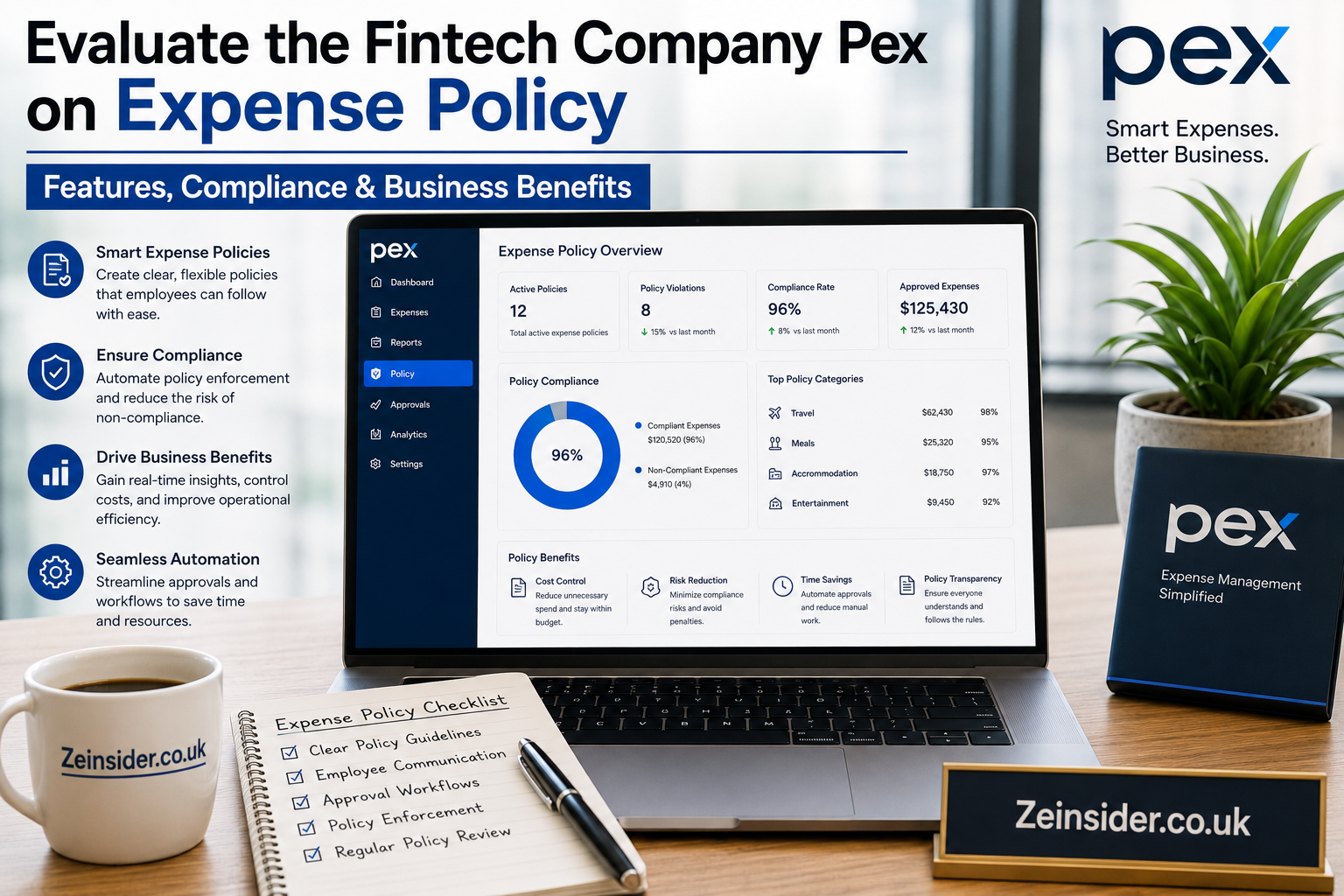
Modern businesses can no longer rely on manual spreadsheets and paper receipts to manage employee spending. As organizations grow, maintaining consistent financial controls becomes increasingly difficult, especially when employees make purchases across different departments, locations, and projects. This is why many finance teams are looking for smarter expense management platforms that combine automation, compliance, and real-time visibility into business spending. When companies evaluate the fintech company Pex on expense policy, they often focus on its ability to automate spending controls before purchases happen instead of correcting violations afterward. This proactive approach reduces financial risk while saving accounting teams valuable time. Organizations also appreciate solutions that improve employee experience without sacrificing compliance. Understanding how Pex approaches expense policies can help decision-makers determine whether the platform aligns with their financial governance requirements. This guide begins a comprehensive evaluation of Pex’s expense policy capabilities, strengths, and overall business value.
Quick Answer
If you need a short answer, businesses that evaluate the fintech company Pex on expense policy generally find that the platform emphasizes proactive spending controls rather than reactive expense auditing. Pex allows finance teams to define customized spending limits, merchant restrictions, department budgets, approval workflows, and card controls before purchases are made. This significantly reduces policy violations and simplifies expense reconciliation. The software also provides real-time transaction visibility, receipt collection, audit trails, and integration capabilities with accounting systems. These features help businesses improve compliance while minimizing manual administrative work. Small and medium-sized businesses, startups, and growing enterprises particularly benefit from its automation capabilities. However, every organization should compare its own expense policy requirements against the platform’s available features before making an implementation decision.
Understanding Pex Expense Policy Management
Expense policy management is much more than creating a document that employees read during onboarding. Modern organizations require technology that actively enforces financial rules throughout the purchasing process. When businesses evaluate the fintech company Pex on expense policy, they often notice that Pex focuses heavily on preventing unauthorized spending instead of identifying issues after expenses have already occurred. Administrators can configure spending limits based on employees, departments, projects, vendors, or purchase categories. These rules reduce the likelihood of accidental overspending while increasing financial accountability. Finance managers can monitor transactions as they happen instead of waiting until monthly expense reports arrive. This approach also improves transparency across departments because every transaction is recorded digitally. The result is a more efficient expense management process that supports stronger financial governance and better operational efficiency.
Expense policies frequently evolve as companies expand into new markets or introduce additional business units. A flexible expense management platform should therefore allow finance teams to modify rules without disrupting everyday operations. Businesses that evaluate the fintech company Pex on expense policy often appreciate the ability to adjust controls as organizational needs change. Instead of relying on static policies, administrators can implement dynamic spending permissions that reflect changing budgets or business priorities. Automated notifications help employees remain aware of policy expectations while reducing confusion during purchasing decisions. Consistent enforcement also creates fairness across teams because every employee follows the same financial guidelines. Over time, this contributes to improved compliance, reduced administrative overhead, and greater confidence in corporate financial reporting.
Why Expense Policies Matter for Modern Businesses
Financial Control and Risk Reduction
Every business wants to protect its financial resources while allowing employees enough flexibility to perform their jobs effectively. Expense policies establish clear expectations regarding acceptable business spending and help prevent unauthorized purchases before they become costly problems. Companies that evaluate the fintech company Pex on expense policy often recognize that proactive controls significantly reduce opportunities for fraud, duplicate spending, and policy violations. Finance teams gain confidence knowing that purchases are automatically checked against established rules. Employees also benefit because spending guidelines become easier to understand and follow. Automated enforcement reduces misunderstandings between staff members and accounting departments. Better financial oversight contributes to healthier cash flow and improved budgeting accuracy. Ultimately, stronger policy enforcement supports sustainable business growth.
Better Employee Accountability
An effective expense policy is not designed to restrict employees unnecessarily but rather to encourage responsible spending habits. Organizations that evaluate the fintech company Pex on expense policy frequently highlight the platform’s emphasis on accountability through transaction visibility and documentation requirements. Employees understand exactly what information must accompany business purchases, including receipts, categories, and business purposes. This clarity reduces reimbursement delays while improving the accuracy of financial records. Managers can review expenses quickly because supporting documentation is already available within the system. Clear accountability also simplifies internal audits and regulatory reviews. As businesses expand, consistent documentation standards become increasingly valuable. Strong accountability ultimately strengthens trust between finance teams and employees.
Core Features of Pex Expense Policy Controls
Custom Spending Limits
One of the primary reasons organizations evaluate the fintech company Pex on expense policy is the platform’s ability to create customized spending controls. Businesses can establish individual card limits, daily transaction limits, monthly budgets, category restrictions, and department-specific spending thresholds. These controls help finance teams ensure that expenses remain aligned with organizational budgets. Instead of reviewing excessive purchases after they occur, administrators prevent unauthorized transactions from happening in the first place. Employees gain spending flexibility within clearly defined boundaries, creating a balanced approach to financial management. This structure reduces administrative effort while improving compliance with company policies. Customizable controls also support different operational requirements across multiple departments. Overall, spending limits contribute to more predictable financial performance.
Department-Based Budget Management
Department budgets often differ significantly depending on operational responsibilities. Marketing teams may require advertising expenditures, while engineering departments purchase software subscriptions and development tools. Businesses that evaluate the fintech company Pex on expense policy appreciate the ability to customize spending rules according to departmental needs. Budget visibility allows managers to monitor available funds throughout each reporting period. Finance teams receive better forecasting data because spending occurs within predefined parameters. Department-specific controls also reduce conflicts over purchasing authority. Employees remain productive without unnecessary financial uncertainty. These capabilities strengthen collaboration between finance professionals and operational leaders.
Merchant Category Restrictions
Not every business purchase is appropriate under every corporate expense policy. Merchant category restrictions help organizations prevent spending at unauthorized businesses before transactions are completed. Companies that evaluate the fintech company Pex on expense policy frequently consider this feature especially valuable for improving policy compliance. Finance administrators can block specific merchant categories while allowing approved vendors and essential business services. This proactive control significantly lowers the risk of accidental misuse of corporate funds. Employees receive immediate feedback when attempting restricted purchases, reducing confusion and policy disputes. Merchant controls also improve audit readiness because unauthorized spending becomes less likely. These preventive measures support stronger financial governance while simplifying expense oversight.
Real-Time Visibility Into Business Spending
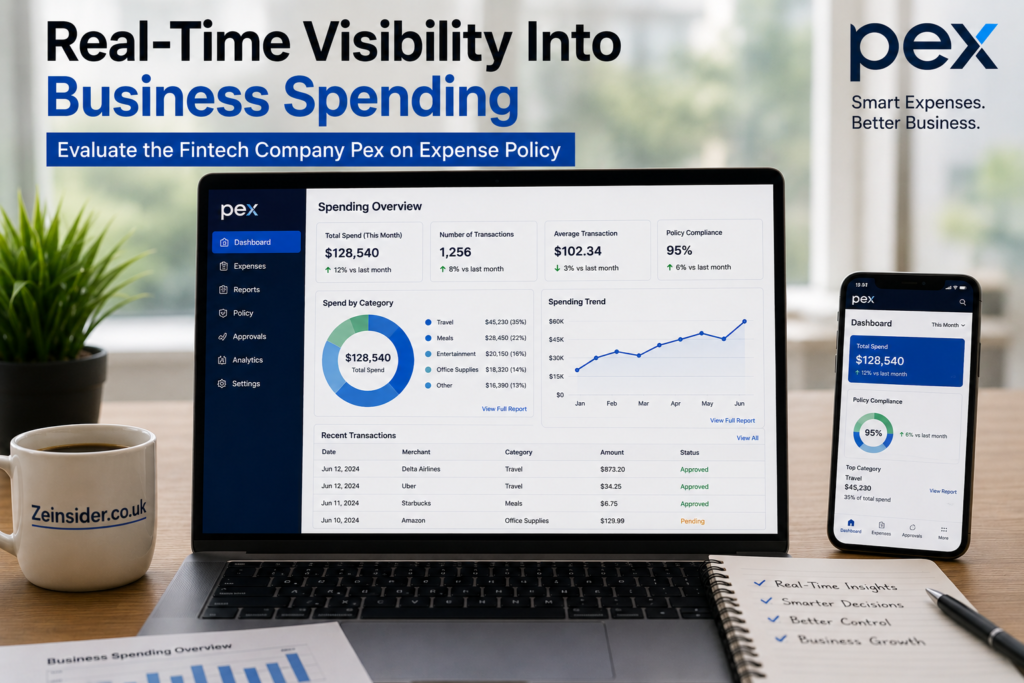
Traditional expense reporting often creates delays between employee purchases and financial review. Real-time visibility changes this process by allowing finance teams to monitor transactions immediately after they occur. Organizations that evaluate the fintech company Pex on expense policy often identify this capability as one of the platform’s strongest operational advantages. Managers can quickly identify unusual spending patterns, investigate exceptions, and maintain accurate budget tracking throughout the month. Employees also receive faster support when transaction questions arise because finance teams already have access to current spending information. Real-time reporting improves cash flow forecasting while reducing month-end surprises. Continuous visibility strengthens decision-making and enhances organizational transparency. Businesses benefit from more accurate financial data without increasing administrative workload.
Another important advantage of real-time transaction monitoring is improved collaboration between finance teams and department managers. When businesses evaluate the fintech company Pex on expense policy, they frequently consider how easily managers can review expenditures before they negatively impact budgets. Instant reporting reduces dependency on delayed expense reports and manual reconciliation processes. Financial leaders gain greater confidence when making budget adjustments because spending information reflects current business activity rather than historical estimates. This capability becomes increasingly valuable as organizations grow and manage multiple departments simultaneously. Better visibility ultimately supports stronger strategic planning and more informed financial decision-making.
Approval Workflows and Policy Enforcement
A well-designed expense policy does more than define spending limits—it creates a structured approval process that ensures every transaction receives the appropriate level of review. When organizations evaluate the fintech company Pex on expense policy, they often examine how effectively the platform supports multi-level approvals and automated policy enforcement. Rather than relying on email chains or manual sign-offs, finance teams can configure approval rules based on spending amount, department, employee role, or transaction type. This automation reduces bottlenecks while maintaining consistent oversight across the organization. Managers receive timely notifications for approvals, allowing purchasing decisions to move forward without unnecessary delays. Employees also benefit from greater transparency because they know where their requests stand throughout the approval process. Automated workflows improve accountability while minimizing administrative overhead, making expense management more efficient for growing businesses.
Automated Approval Routing
Automated routing ensures that expense requests are directed to the correct approver without manual intervention. Companies that evaluate the fintech company Pex on expense policy appreciate how automated workflows reduce processing errors and speed up financial operations. Approval paths can be customized to reflect organizational structures, ensuring that department managers, finance directors, or executives review purchases when necessary. Automation also creates a complete audit trail documenting who approved each transaction and when. This information is valuable during financial reviews and internal audits. Employees experience faster turnaround times because requests no longer sit unnoticed in inboxes. Consistent approval routing helps businesses maintain compliance while improving operational efficiency. Over time, these workflows contribute to stronger governance and better spending discipline.
Exception Handling
Even the most comprehensive expense policy must accommodate legitimate exceptions. Businesses occasionally face urgent travel needs, emergency purchases, or project-specific expenses that fall outside standard guidelines. Organizations that evaluate the fintech company Pex on expense policy should consider how the platform manages these exceptions without compromising financial control. Administrators can review flagged transactions individually, request additional documentation, or approve justified deviations from policy. This balanced approach ensures flexibility while maintaining accountability. Exception management also helps companies refine their expense policies by identifying recurring situations that may require updated rules. Documenting exceptions supports transparency and reduces misunderstandings between employees and finance teams. Effective exception handling strengthens both compliance and employee satisfaction.
Reporting, Analytics, and Financial Insights
Expense management becomes significantly more valuable when businesses can transform transaction data into actionable insights. Companies that evaluate the fintech company Pex on expense policy frequently assess reporting capabilities because accurate analytics support smarter financial decisions. Comprehensive dashboards provide visibility into spending trends, departmental budgets, recurring expenses, and policy compliance rates. Finance leaders can identify cost-saving opportunities while monitoring organizational spending in real time. Reports also simplify executive presentations by converting complex financial information into understandable metrics. Better analytics improve forecasting accuracy and help organizations optimize operational budgets. Instead of reacting to financial issues after month-end, leaders can make informed adjustments throughout the reporting period. These insights contribute to stronger long-term financial planning.
Expense Trend Analysis
Trend analysis allows finance teams to identify recurring spending patterns that may require attention. Businesses that evaluate the fintech company Pex on expense policy often value historical reporting because it reveals seasonal expenses, departmental growth, and budget performance over time. Managers can compare monthly or quarterly spending to identify unusual increases or decreases. These insights support proactive budgeting and strategic decision-making. Trend analysis also helps businesses negotiate vendor contracts by understanding purchasing frequency and volume. Identifying consistent expense categories enables more accurate forecasting and improved financial planning. Historical data provides valuable context for future business decisions. Ultimately, trend analysis strengthens organizational financial management.
Compliance Reporting
Compliance reporting simplifies audits by documenting adherence to internal expense policies and financial regulations. Organizations that evaluate the fintech company Pex on expense policy recognize the importance of maintaining accurate records for every transaction. Reports can include approval histories, receipt documentation, spending categories, and policy exceptions. This level of detail reduces audit preparation time and improves confidence in financial reporting. Finance teams can quickly identify areas where additional employee training may be beneficial. Compliance reports also demonstrate organizational commitment to financial accountability. Strong documentation supports both internal governance and external regulatory requirements. Reliable reporting helps businesses minimize compliance-related risks.
Integration with Accounting and Financial Systems
An expense management platform becomes more valuable when it integrates seamlessly with existing financial systems. Businesses that evaluate the fintech company Pex on expense policy should consider how well the platform connects with accounting software, payroll systems, and enterprise resource planning solutions. Automated data synchronization reduces manual data entry while improving record accuracy. Transactions can flow directly into accounting workflows, eliminating duplicate work for finance teams. Integration also accelerates month-end closing by ensuring expense information is consistently updated. Businesses benefit from improved financial visibility without significantly changing existing accounting processes. Connected systems enhance productivity while reducing opportunities for human error. Integration capabilities are particularly valuable for organizations experiencing rapid growth.
Benefits of Automated Data Synchronization
Automated synchronization reduces repetitive administrative tasks that consume valuable accounting resources. When companies evaluate the fintech company Pex on expense policy, they often prioritize solutions that minimize manual reconciliation. Automatically transferring expense information between systems improves data consistency and reduces processing delays. Finance teams spend less time correcting errors and more time analyzing financial performance. Employees also experience faster reimbursement and transaction processing because fewer manual steps are involved. Automation supports accurate reporting while strengthening operational efficiency. Businesses gain a more reliable financial ecosystem that supports informed decision-making. These efficiencies become increasingly valuable as transaction volumes increase.
Advantages and Potential Limitations
Every expense management solution offers strengths while also presenting considerations that organizations should evaluate before implementation. Businesses that evaluate the fintech company Pex on expense policy should compare platform capabilities against their operational requirements rather than assuming one solution fits every organization. Understanding both advantages and limitations supports better purchasing decisions.
| Feature | Advantages | Potential Considerations |
|---|---|---|
| Expense Policy Controls | Strong pre-spend enforcement | May require initial policy configuration |
| Approval Workflows | Automated and consistent | Complex organizations may need customization |
| Real-Time Visibility | Immediate transaction monitoring | Requires active administrative oversight |
| Reporting | Detailed analytics and dashboards | Advanced reporting may require training |
| Integrations | Reduces manual accounting work | Integration availability varies by software |
| Compliance | Improves audit readiness | Policies should be reviewed regularly |
Pex Expense Policy Compared with Traditional Expense Management
Many businesses still rely on spreadsheets, manual reimbursements, and paper receipts to manage employee spending. Organizations that evaluate the fintech company Pex on expense policy often compare modern automation against these traditional processes to determine potential efficiency gains.
| Category | Traditional Process | Pex-Based Approach |
|---|---|---|
| Policy Enforcement | Manual review | Automated controls |
| Spending Visibility | After expenses occur | Real-time monitoring |
| Receipt Collection | Paper or email | Digital documentation |
| Approval Process | Email chains | Automated workflows |
| Compliance | Manual audits | Continuous monitoring |
| Reporting | Spreadsheet preparation | Automated dashboards |
| Budget Tracking | Periodic reviews | Live spending visibility |
| Administrative Work | High | Significantly reduced |
Best Practices for Using Pex Expense Policy
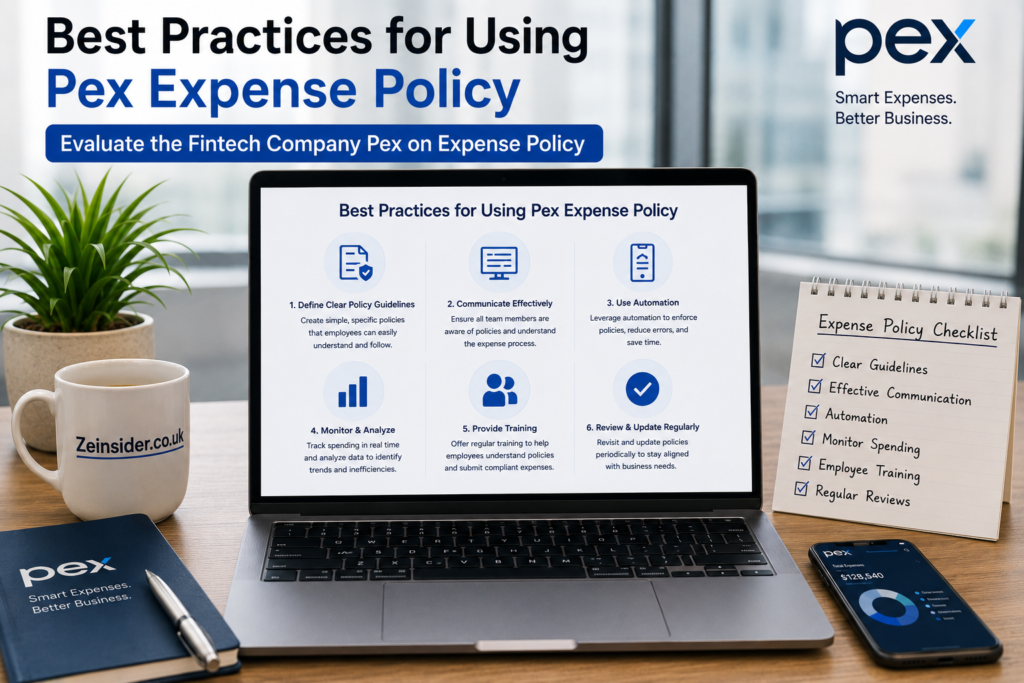
Organizations can maximize the value of their expense management platform by following proven implementation strategies.
- Define clear expense policies before deploying the platform.
- Align spending limits with departmental budgets and responsibilities.
- Review policy settings regularly as business needs evolve.
- Train employees on acceptable spending practices and documentation requirements.
- Require timely receipt submission for every eligible transaction.
- Monitor reporting dashboards weekly instead of waiting until month-end.
- Conduct periodic audits to verify policy effectiveness.
- Integrate expense management with accounting systems whenever possible.
- Update approval workflows to reflect organizational changes.
- Encourage open communication between finance teams and department managers.
Common Mistakes to Avoid
Businesses sometimes reduce the effectiveness of expense management software by overlooking key operational practices.
- Creating overly complex expense policies that employees struggle to understand.
- Failing to update spending limits as departments grow.
- Ignoring reporting dashboards until financial issues become significant.
- Allowing inconsistent approval procedures across teams.
- Neglecting employee training after implementation.
- Depending entirely on manual reviews despite available automation.
- Failing to monitor recurring policy exceptions.
- Delaying accounting system integrations.
- Overlooking receipt documentation requirements.
- Treating expense policies as static instead of continuously improving them.
Pro Tips for Better Expense Policy Management
Finance professionals can improve policy effectiveness by adopting several practical strategies.
- Review expense analytics monthly to identify cost-saving opportunities.
- Use department-specific spending rules instead of company-wide defaults.
- Establish separate approval thresholds for high-value purchases.
- Encourage employees to submit receipts immediately after purchases.
- Monitor policy exceptions to identify areas requiring updates.
- Schedule quarterly policy reviews with department managers.
- Leverage automated notifications to reduce approval delays.
- Maintain complete audit documentation for every transaction.
- Compare spending trends across departments to improve budgeting accuracy.
- Continuously refine expense policies based on business growth and operational needs.
Conclusion
Organizations that evaluate the fintech company Pex on expense policy are generally seeking a solution that balances financial control with employee flexibility. Pex emphasizes proactive expense management by enforcing spending rules before purchases occur rather than relying solely on post-expense reviews. Its combination of customizable spending limits, automated approval workflows, real-time transaction visibility, compliance reporting, and accounting integrations provides meaningful value for businesses looking to modernize financial operations. By reducing manual administrative work and improving policy consistency, the platform can help finance teams focus on strategic planning instead of routine expense processing. Like any financial technology solution, successful implementation depends on clearly defined policies, regular employee training, and ongoing policy refinement. Organizations should also evaluate integration compatibility, reporting needs, and internal approval structures before adopting any expense management platform. Overall, Pex offers a strong framework for businesses aiming to strengthen expense governance while improving operational efficiency. Careful planning and continuous optimization will help organizations realize the greatest long-term benefits from their expense policy management strategy.
Frequently Asked Questions
1. What is Pex expense policy management?
Pex expense policy management helps businesses control employee spending through customizable rules, spending limits, approvals, and real-time transaction monitoring.
2. Why do companies evaluate the fintech company Pex on expense policy?
Businesses evaluate Pex to determine whether its policy controls, automation, reporting, and compliance features meet their financial management needs.
3. Can Pex help reduce unauthorized spending?
Yes. Predefined spending controls and merchant restrictions help prevent unauthorized purchases before transactions are completed.
4. Does Pex support approval workflows?
Yes. Organizations can configure automated approval processes based on employee roles, departments, spending thresholds, or transaction types.
5. Is Pex suitable for small businesses?
Many small and medium-sized businesses benefit from automated expense controls, simplified reporting, and reduced administrative workload.
6. How does Pex improve compliance?
The platform documents transactions, approvals, receipts, and audit trails while enforcing company expense policies consistently.
7. Can Pex integrate with accounting software?
Yes. Integration capabilities help synchronize expense data with accounting systems, reducing manual reconciliation and improving reporting accuracy.
8. Does real-time transaction monitoring matter?
Yes. Real-time visibility enables finance teams to identify unusual spending quickly, improve budgeting, and make informed financial decisions.
9. What industries can benefit from Pex expense policies?
Technology companies, professional services firms, healthcare organizations, nonprofits, retail businesses, and many other industries can benefit from structured expense policy management.
10. What should businesses consider before implementing Pex?
Organizations should review their expense policies, approval workflows, accounting integrations, reporting requirements, employee training plans, and long-term financial governance objectives.
Author Bio
About the Author
The author is an experienced fintech and business technology writer specializing in corporate finance, expense management, accounting software, and digital transformation. With a strong focus on SEO, EEAT principles, and practical business guidance, the author creates research-driven content that helps business owners, finance professionals, and decision-makers evaluate financial technology solutions with confidence.